


Knowledge doesn't scale.
Five people hold the system. Tony learns from all five.

Vibe OnCall pages an army of AI agents to resolve incidents before Tier 1 ever wakes up, cutting MTTR by 85% and eliminating 3 AM wake-ups.









Switch from PagerDuty or Opsgenie. Half-price paging, 10x the AI automation, and we handle the migration.

And 10x the AI automation for incident response.

Run both in parallel, up to 12 months. Never pay two vendors at once.


Hands-on customization of your on-call workflows after cutover.


When your codebase grows, blind spots multiply. Debug surfaces hidden issues, unstable patterns, and silent failures ‒ long before they impact your users.
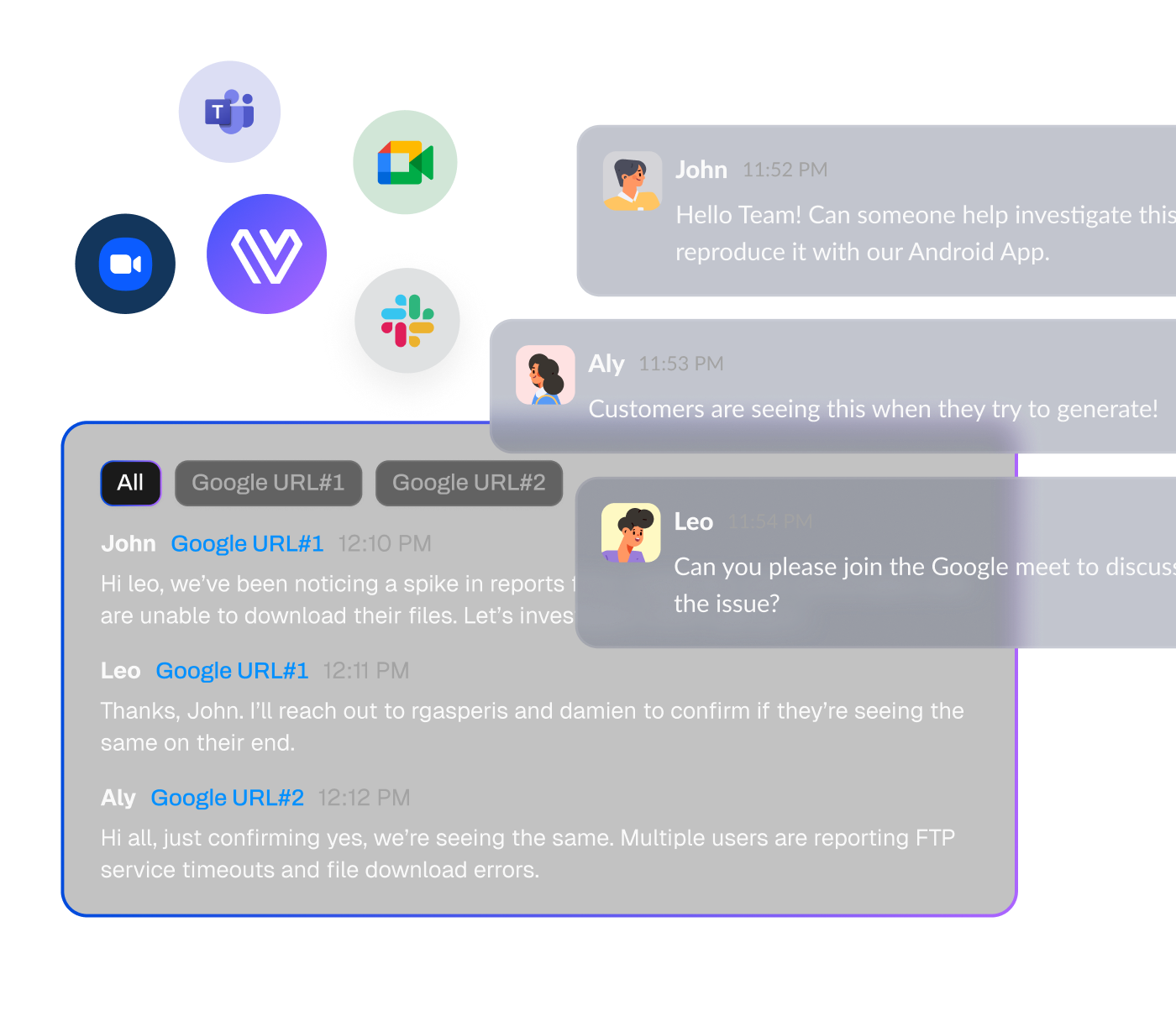
Agents investigate logs, surface root cause, pull the right runbook, and coordinate the fix ‒ with human approval gates for anything production-impacting.
Detects known failure patterns, matches to verified runbook steps, and executes remediations autonomously. Human approval gates protect any production-impacting change.
Every incident is captured, structured, and synced to your knowledge base automatically. The more incidents run through Vibe OnCall, the smarter it gets.


Featured in leading AI cohorts, international competitions, and industry roundtables.

AWS Marketplace / 2025

International Pitch Competition

Participant / 2026
I am,
The next generation of incident response + reliability engineering
The AI twin of your smartest oncall engineer.
He takes the page, runs the incident, and remembers every fix.



Other AI SREs wait for your engineer to pick up. Tony is on the rotation and takes the page first.
Five people hold the system. Tony learns from all five.
Dashboards show what broke. Tony knows how you fixed it.
Owners, updates, postmortem. Tony runs the whole incident.
Docs go stale. Tony becomes a living runbook for your systems.
Every AI SRE on the market fixes one of these.Tony takes all four.
Works like Claude, lives in your Slack, knows every incident you’ve had. That’s how one hire holds four jobs.
Tier 1, handled.
Picks up the page as primary, brings the root cause
with evidence, and closes the loop.
Runs the room.
Severity, owners, updates, postmortem.
Pulls your engineers in when it’s worth their time.
Tickets in, context out.
Answers Support’s “have we seen this?” and hands engineering a ticket with context, not a forward.
Doesn’t wait to be asked.
Maps your services, turns repeat fixes into runbooks,
and flags what’s missing before you ask.
Tony is the engineer.
Vibe OnCall is the platform he runs on.
One click to add him to Slack or Teams. Connect your entire incident stack, and Tony migrates your PagerDuty schedules. He’s on the rotation the same day.
The pager is built in, not integrated. That’s how Tony gets paged first.
Slack, Datadog, Grafana, GitHub, Jira, Linear, ServiceNow. Plugs into what you already run.
Isolated per customer. No credentials stored. You approve what Tony can touch.
The slow part was which systems were hit, how far it spread, and who owned it. Tony took that over.
fewer manual minutes per incident,
across 300+ engineers
An incident that looked like 3 hours. Tony found it had started 11 days earlier.
Tony SRE has fundamentally shifted how we approach incident management. We have a clear, real-time view of what’s happening, who’s engaged, and what’s underway. That clarity cut unnecessary escalations and shortened our decision cycles.